Loading the record…
Prove where your fibre
came from. Not just assert it.
One textile order scatters into a blizzard of paper — bills of lading, conditioning certificates, packing lists. Textile Ontology Systems reconciles them into a single chain of custody, anchored to the purchase order and verifiable end to end.
A folder of PDFs isn’t proof. A reconciled chain is.
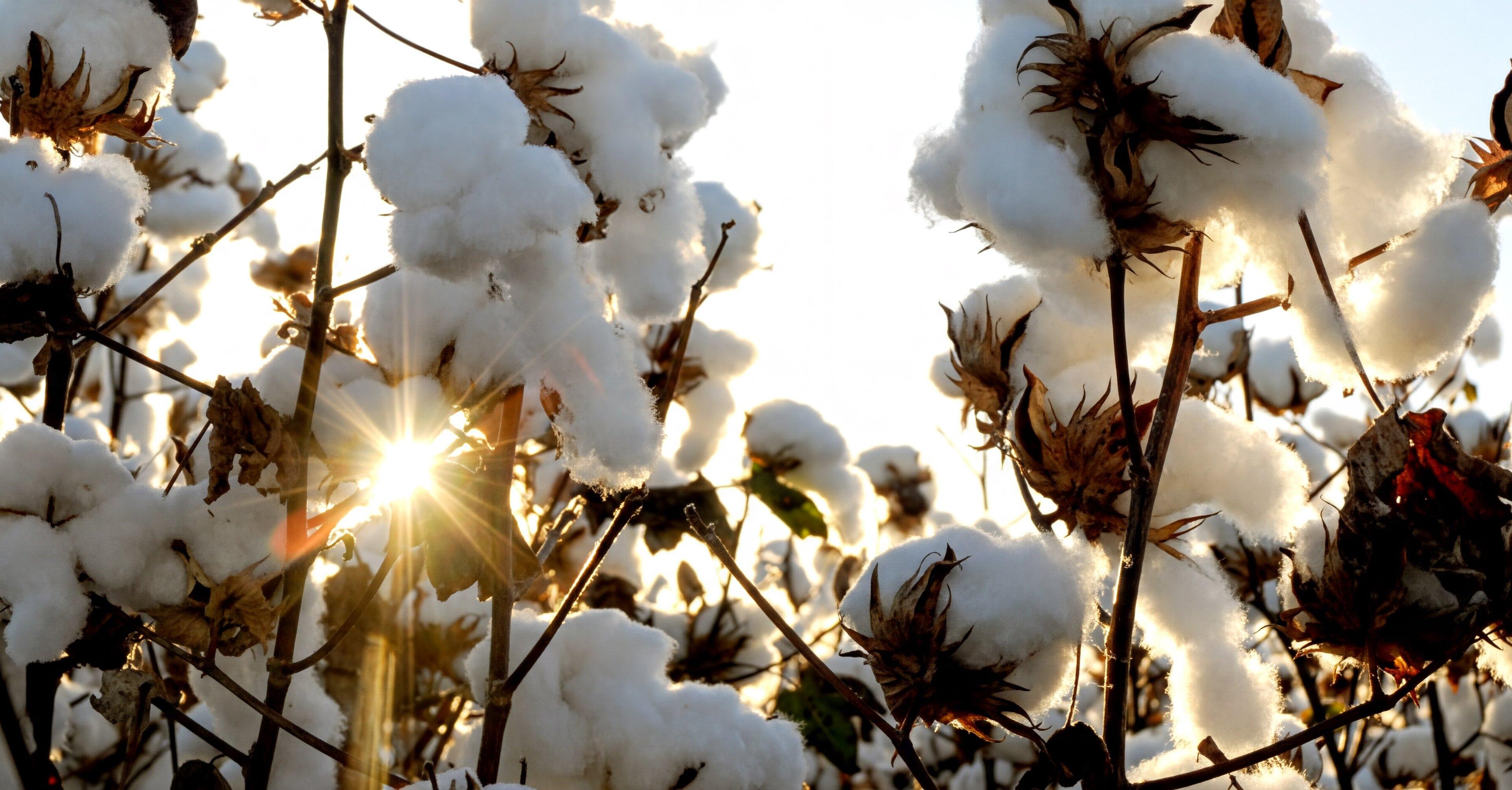
Every stage of a garment’s journey — Australian cotton, Indian spinning, knitting, dyeing, make-up — leaves its own paper, each naming the same order a little differently. TOS normalises every identifier, reconciles each document against the purchase order, and refuses to let the record progress where the numbers don’t match. Where independent origin certification is missing, it says so, in plain sight, rather than papering over the gap.
Origin
Spinning
Knitting
Dyeing
Garment
Shipping
Standards alignment
The UN is standardising this shape. The record already has it.
The UN Transparency Protocol (UNECE) describes how a product’s passport, the processing events behind it, and the facilities that handled it become linked, checkable objects rather than a folder of certificates. TOS decomposes the same way — and its reconciliation gate is the protocol’s own pattern for turning scope and transaction certificates into objects checked against a single order.
A draft UN textile extension already previews a cotton passport, cotton facility records, and ginning-through-dyeing event types — the chain this platform is built around. It is still pre-implementation, and we cite it as direction, not as a standard we conform to.
- Provenance record
- Digital Product Passport
- Chain stages
- Traceability events
- Participants
- Facility records
Aligned in model, not yet in mechanism
The protocol's trust layer is cryptographic — signed credentials and decentralised issuer identity. TOS expresses trust as reconciled documents and independently checkable references, not signed credentials. That layer is V1 work, sequenced after the protocol's first stable release.
Aligned with / references
- UN Transparency Protocol (UNECE)
- UN Textiles Protocol (draft)
- Cotton Australia
- myBMP
- European Flax® / Masters of Linen
Named for reference only. No affiliation, endorsement, or certification by these organisations is implied.